

When Two Families Meet, the Marriage Is Still About Two People
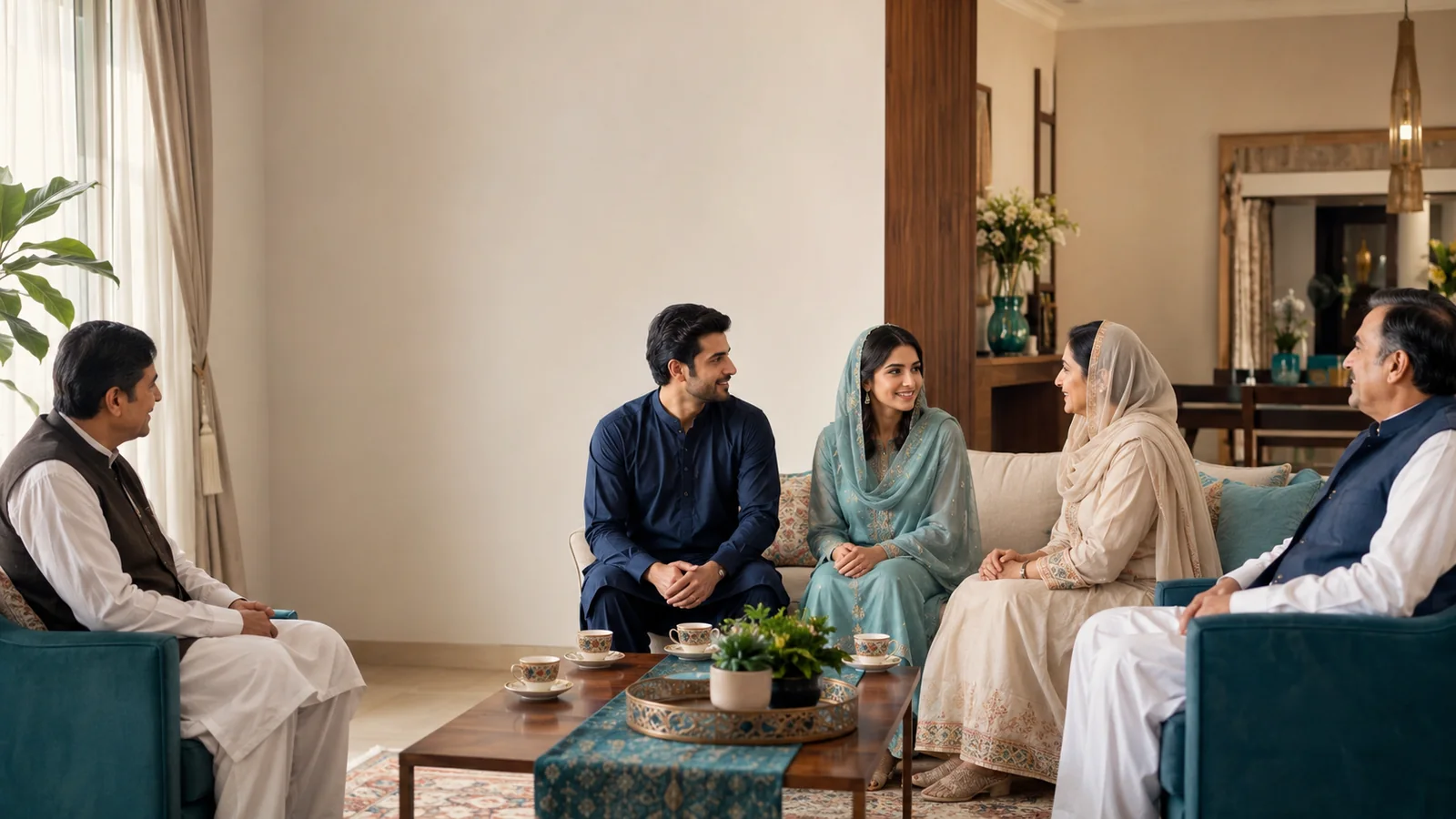
Ali’s parents liked the proposal almost immediately. The families knew people in common, the education and work background looked good, and the first meeting was pleasant. By the time everyone returned home, the conversation had already moved to dates, relatives and what the next visit should look like. Ali, however, had barely spoken to the person he might marry.
Ali’s parents liked the proposal almost immediately. The families knew people in common, the education and work background looked good, and the first meeting was pleasant. By the time everyone returned home, the conversation had already moved to dates, relatives and what the next visit should look like. Ali, however, had barely spoken to the person he might marry.
This is a common risk in family-led matchmaking. Families can do valuable work: they can check background, notice practical issues and create a respectful setting. But when the families become so comfortable with one another that they start treating the match as settled, the candidate can quietly disappear from the process.
Keeping the candidate at the centre
A better approach is to use family comfort as a good beginning, not as the final answer. Let the candidates see the profile properly, ask questions, discuss expectations and say whether they want the families to continue. A representative can guide the process without speaking on behalf of every feeling the candidate has.
A marriage may connect two families, but the daily life will be lived by two people. The strongest family support is support that helps them make a clear decision, not support that makes the decision for them.

Marriage & Family
Rejection in Matrimonial Search Is Not a Judgment of Human Worth
Marriage & Family
Marriage Is a Decision Between Two People — But It Rarely Exists Outside Family

Marriage & Family
After the Wedding, Families Should Support the Marriage — Not Run It
Marriage & Family